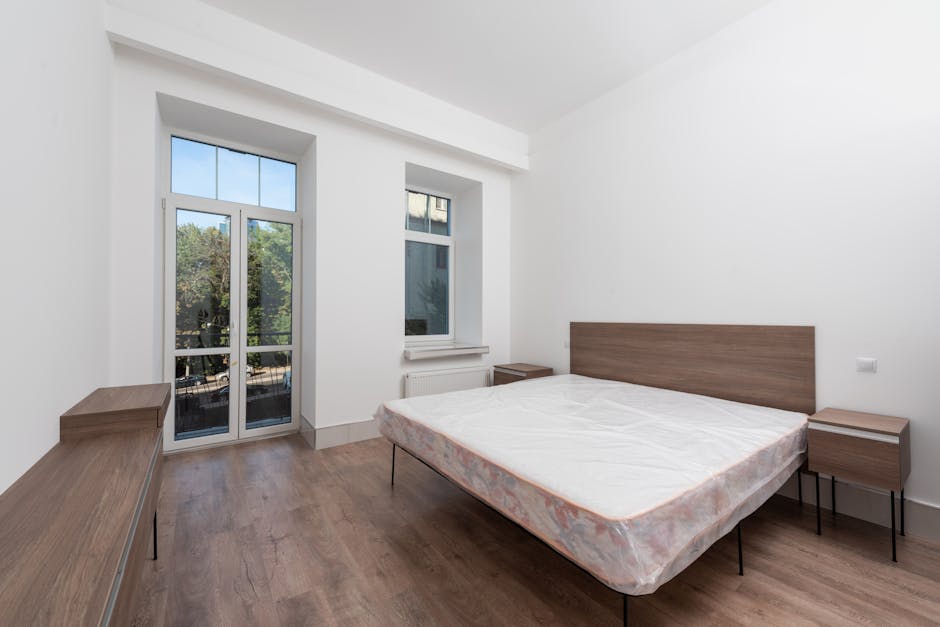
3-bed flat clearance costs in Pinner: local price guide

If you are planning a move, dealing with a probate property, or simply trying to clear a cluttered flat that has somehow become a storage unit with windows, the question is usually the same: what will it cost? This guide on 3-bed flat clearance costs in Pinner: local price guide breaks down the main pricing factors in plain English, so you can budget properly and avoid the usual surprises. In Pinner, where access, parking, stairways, and mixed contents can all affect the final figure, a clear understanding of the job matters more than people think.
You will find realistic cost drivers, a simple step-by-step process, a comparison of common clearance options, and a practical checklist you can actually use before booking. Nothing fluffy. Just the stuff that helps you make a sensible decision.
Why 3-bed flat clearance costs in Pinner: local price guide Matters
When people search for clearance prices, they are rarely just curious. Usually there is a deadline hanging over them. A sale completes on Friday. A tenancy ends next week. A relative's flat needs emptying, and nobody wants the stress to drag on. That is why a local price guide is useful: it helps you judge whether a quote feels fair before you commit.
With a 3-bed flat, the job can sit in a tricky middle ground. It is larger than a one-bedroom clearance, but often easier than a whole house. Still, it can contain bulky furniture, loft boxes, old white goods, broken wardrobes, books, mattresses, carpets, and a surprising number of drawers full of cables nobody remembers buying. Cost depends on volume, weight, access, and how much sorting is needed on site.
In Pinner, local conditions can shift the price in small but meaningful ways. Parking on a narrow road, shared entrances, upper floors without a lift, and time restrictions can all add labour time. None of that is unusual. It just means the quote should reflect the real job, not a generic "average" that does not fit your flat.
Practical takeaway: if you compare quotes without checking access, contents, and disposal type, you may compare the wrong things. A cheaper price on paper can become the more expensive option once the team arrives. Bit annoying, really.
How 3-bed flat clearance costs in Pinner: local price guide Works
Most flat clearance prices are based on a mix of labour, transport, disposal charges, and the time required to remove the items safely. For a 3-bed flat, the estimate usually starts with an assessment of how full the property is. Is it lightly furnished, or packed wall to wall? Are there only a few bulky items, or does the clearance include mixed household contents from several rooms?
Specialists usually consider:
- Volume: how much space the items take in the van.
- Weight: heavier loads can affect disposal costs.
- Access: stairs, lifts, distance to parking, and carrying time.
- Item type: furniture, appliances, mattresses, and mixed waste may be handled differently.
- Sorting required: if things must be separated for donation, recycling, or disposal, labour time goes up.
- Urgency: same-day or short-notice work can cost more.
For a typical 3-bed flat, pricing is often quoted either as a fixed job price after assessment or as a volume-based estimate. In real life, it is not unusual for a clear-flat job to be quoted after photos are sent. That saves everyone time. A good provider should ask the right questions rather than simply guessing from a postcode and a room count. Would you trust a quote that did not ask whether the flat is on the third floor? Exactly.
Some jobs are closer to a full flat clearance, while others involve specific bulky items. If the property also includes broken furniture, you may want to check related services such as furniture clearance or furniture disposal depending on whether items can be reused or need to be broken down and removed.
| Cost driver | Why it changes the price | What you can do |
|---|---|---|
| Amount of contents | More items mean more labour, van space, and disposal work | Group items by room and send photos in advance |
| Floor level and access | Carrying items down stairs takes more time and effort | Tell the team about lifts, codes, and parking restrictions |
| Mixed waste vs reusable furniture | Different material streams affect sorting and disposal | Separate items you want kept, recycled, or removed |
| Urgency | Fast turnaround may require extra crew or scheduling changes | Book early where possible |
Key Benefits and Practical Advantages
A properly planned flat clearance saves more than time. It reduces stress, avoids repeated trips to the tip, and cuts the risk of underestimating disposal costs. That last part matters. Many people think they will save money by doing it themselves, then spend two days hiring a van, lifting heavy furniture, and making several journeys. Not exactly a relaxing weekend.
Some of the main advantages are straightforward:
- Clear budgeting: you know the likely cost before work starts.
- Less disruption: one organised clearance is often easier than several partial ones.
- Safer removal: heavy items are handled with the right equipment and technique.
- Better sorting: reusable furniture and recyclable materials can be separated where appropriate.
- Faster property handover: useful when a landlord, buyer, or solicitor is waiting on the keys.
Another quiet benefit is emotional. Clearing a flat after a life change can be tiring in a way that is hard to explain until you are standing in the hallway looking at piles of stuff with no energy left. A clear plan makes the process feel less chaotic. That alone is worth something.
If your project sits alongside a larger home move or decluttering effort, the wider home clearance service can be useful too, especially where the flat contains items from storage cupboards, balconies, or shared utility spaces.
Who This Is For and When It Makes Sense
This guide is useful for anyone dealing with a 3-bedroom flat in Pinner, but it is especially relevant if you are working to a deadline or handling a property with a lot of contents. Common scenarios include:
- homeowners preparing for sale or refurbishment
- landlords turning over a rental flat after tenants leave
- executors and families managing probate property clearance
- letting agents arranging end-of-tenancy clear-outs
- people downsizing from a larger flat into a smaller home
- owners who have inherited furniture, boxes, and mixed household goods over many years
It also makes sense if you have a mix of bulky and awkward items. A three-bed flat often contains one or two "problem" items that nobody wants to move: a wardrobe that does not fit round the landing, a mattress that has seen better days, or a sofa that feels heavier than it should be. Classic.
If you are unsure whether your job is mostly furniture-led or general household contents, compare it with house clearance or a more item-specific furniture disposal job. That distinction can affect pricing more than people expect.
Step-by-Step Guidance
Here is the simplest way to approach the job without losing track of the moving parts.
- Walk through each room. Make a quick list of what stays and what goes. Include the cupboards, not just the big rooms.
- Take clear photos. Wide shots of each room plus close-ups of bulky items help with accurate quoting.
- Check access details. Note floor level, lift availability, parking, loading distance, and any entry codes.
- Flag special items. Mattresses, fridges, freezers, office chairs, broken glass, and mixed waste may need different handling.
- Ask how the price is calculated. Find out whether the quote is fixed, volume-based, or subject to a final site check.
- Confirm what is included. Labour, loading, disposal, and sweeping up should be clear from the start.
- Agree the time window. In shared buildings, narrow windows can matter. A lot.
- Keep aside anything personal. Important documents, valuables, medication, and sentimental items should be removed before the crew arrives.
One small but helpful habit: place a note or coloured sticker on anything that must stay. In a busy flat, especially when several people are packing or sorting at once, that little visual cue can prevent awkward mistakes.
If the clearance forms part of a bigger decluttering project, a few extra metres of planning goes a long way. You do not need perfection. You just need enough structure to avoid the panic "where did that folder go?" moment.
Expert Tips for Better Results
In our experience, the best clearance jobs are the ones that are slightly over-prepared, not over-complicated. You do not need to catalogue every spoon. But you do need enough detail to help the team bring the right vehicle, enough crew, and the right disposal route.
- Send room-by-room photos. This is one of the fastest ways to avoid inaccurate pricing.
- Separate reusable items. If a piece of furniture can be reused or donated, say so early. It may affect the approach.
- Be honest about access. A steep staircase or awkward courtyard changes the workload. Better to say it upfront.
- Check building rules. Some flats have quiet hours, loading restrictions, or controlled access points.
- Ask about recycling. A responsible team should explain what happens to items after removal.
One very practical tip: if you are sorting through a lifetime of things, work from the easiest room first. The momentum helps. A spare bedroom often clears faster than the main living room, and once you have won one small battle, the rest feels more manageable.
And if the clearance is part of a broader property tidy-up, you may also want to think about related support such as loft clearance for stored items, or garage clearance if the flat has additional storage space attached. Different space, same headache, more or less.
Common Mistakes to Avoid
Most problems come from not sharing enough information at the quote stage. The job itself is usually fine once the crew knows what they are dealing with. The trouble starts when assumptions creep in.
- Choosing on price alone: the cheapest quote may exclude disposal, access time, or labour extras.
- Underestimating volume: a 3-bed flat can hold more contents than it looks like at first glance.
- Ignoring access issues: parking restrictions and stairs can add time quickly.
- Leaving sorting to the day: last-minute decisions slow everything down.
- Mixing keep and clear items together: this is how mix-ups happen.
- Forgetting special disposal needs: some items need separate handling, so mention them early.
A common one is the "we only have a few things" estimate. Then the crew arrives, opens two cupboards, and suddenly the job is a lot bigger. To be fair, it happens all the time. Not because people are dishonest, just because flats are surprisingly good at hiding clutter.
Another mistake is assuming every clearance provider works the same way. Some focus on furniture, some on mixed waste, and some are better suited to larger whole-property jobs. If the clearance includes a lot of other rubbish or renovation leftovers, a broader waste removal service may be a better fit than a simple item-by-item collection.
Tools, Resources and Recommendations
You do not need specialist software to plan a flat clearance. A phone camera, a notes app, and a decent sense of which items are actually staying are usually enough. Still, a few simple tools make life easier.
- Room checklist: one page per room keeps you organised.
- Photo set: a few wide-angle photos help the estimator see the full picture.
- Simple measuring tape: useful for bulky furniture or awkward stair turns.
- Label stickers or masking tape: good for marking keep, remove, donate, or unsure.
- Calendar reminder: helps you lock in access times and avoid missed windows.
For pricing transparency, it is worth reviewing the provider's pricing and quotes information if available. That usually tells you how estimates are handled and what details make a quote more accurate. If you care about how items are treated after collection, read about recycling and sustainability as well. That can be reassuring when you are trying to keep the job responsible, not just quick.
There is also value in understanding the company itself. A clear about us page can give you a feel for how they work, while insurance and safety information should help you judge whether the operation is properly organised. Slightly dull, maybe. But it matters.
Law, Compliance, Standards, or Best Practice
Flat clearance is not just about lifting and loading. There are also practical compliance and duty-of-care considerations. In the UK, waste must be handled responsibly, and a reputable provider should be able to explain where items go and how they are processed. You do not need a lecture, just enough clarity to feel comfortable that things are being dealt with properly.
Best practice usually includes:
- sorting reusable, recyclable, and non-recyclable items where possible
- avoiding unsafe lifting or blockages in communal areas
- respecting building rules and access arrangements
- protecting personal documents and sensitive household items during clearance
- using appropriate disposal channels for mixed loads
If your flat contains business contents, archived paperwork, or office-style equipment, the needs can change slightly. In that case, it may be more appropriate to look at office clearance or even business waste removal depending on what is being taken away. Same building, different waste profile. Easy to overlook.
For household work, the key best practice is simple: be honest, keep items separated where you can, and make sure the provider understands access and disposal requirements before arrival. That is the difference between a smooth job and a slightly chaotic one. And nobody wants chaos in a hallway.
Options, Methods, or Comparison Table
There is more than one way to handle a 3-bed flat clearance. The right method depends on time, budget, and how much effort you want to spend personally. Here is a practical comparison.
| Method | Best for | Pros | Trade-offs |
|---|---|---|---|
| Full professional flat clearance | Most 3-bed flats, probate, moves, end-of-tenancy | Fast, organised, less stress, usually one visit | Usually costs more than DIY |
| Partial clearance | When only furniture or bulky items need removing | Can be cheaper and quicker | May not solve the whole problem if clutter is mixed |
| DIY removal | Very small loads and confident movers | Can reduce labour spend | Time-consuming, physically tiring, multiple trips |
| Staged clearance | When the flat must be emptied in phases | Flexible, useful for sorting families or landlords | Can take longer overall |
For a typical 3-bed flat in Pinner, a professional clearance is often the most practical option if you want the place emptied efficiently and without repeated disruption. DIY only looks cheaper until you count van hire, fuel, your time, and the second lift of the heavy wardrobe. Then it gets less charming.
Case Study or Real-World Example
Here is a realistic example based on the kind of job that comes up often. A family in Pinner needed a 3-bed flat cleared after a long occupancy. The property contained a full lounge set, two double beds, a wardrobe, a dining table, boxed kitchenware, books, mixed clothes, and several items stored in cupboards and a small hallway cupboard that had quietly become a graveyard for old chargers.
The first estimate was too vague because it did not account for stair access and the fact that parking was limited outside the block. Once the photos were sent and the access details were clear, the quote became much more accurate. The final job went more smoothly because the family had already separated a few things they wanted to keep and labelled them clearly.
The biggest lesson was simple: the better the prep, the more predictable the outcome. Not glamorous, but true. The flat was cleared in one organised visit, and the family said the main relief was not the lifting. It was not having to think about it any more.
If that sounds familiar, you are probably in the right stage of the process to ask for a proper quote rather than guessing. A good estimate should make you feel calmer, not more confused.
Practical Checklist
Use this before you book a clearance. It keeps the job tidy from the start.
- List every room, including storage spaces and cupboards.
- Take photos of each room from the doorway and inside where needed.
- Note stairs, lifts, parking, and access codes.
- Separate keep, remove, donate, and unsure items.
- Remove valuables, documents, medication, and personal papers.
- Flag heavy or awkward items such as wardrobes, sofas, beds, and appliances.
- Ask whether the quote includes labour, loading, transport, and disposal.
- Check whether the provider can handle mixed household contents safely.
- Confirm the date, arrival window, and any building restrictions.
- Review the provider's terms and conditions before you agree the booking.
If you want a smoother booking, it also helps to keep a spare photo set in case you need to compare quotes. A minute of preparation now can save a lot of back-and-forth later.
Get a free quote today and see how much you can save.
Conclusion
Understanding 3-bed flat clearance costs in Pinner: local price guide is really about understanding the job beneath the job. A three-bedroom flat can look manageable until you account for stairs, access, furniture, and the small mountain of things that hide in cupboards. Once those factors are clear, pricing becomes much more sensible.
The best outcome is usually a straightforward one: clear information, a fair quote, and a team that knows exactly what they are walking into on the day. That is what saves time, avoids stress, and makes the whole thing feel doable rather than daunting.
If you are at the stage of comparing options, take a calm minute, gather your photos, and decide what really needs removing. You do not have to sort everything in one go. Just the next sensible step. That is enough.
Frequently Asked Questions
How much does a 3-bed flat clearance usually cost in Pinner?
The cost depends on volume, access, item type, and how much labour is needed. A lightly furnished flat will usually cost less than one packed with bulky furniture and mixed contents. The most reliable way to get a fair figure is to send photos and access details for a tailored quote.
What affects the price the most?
Access and volume are usually the biggest factors. Stairs, distance from parking, and how many items need removing can change the workload quite a bit. Special items and urgent turnaround can also influence the final price.
Is it cheaper to clear a flat myself?
Sometimes, but only for small loads. Once you factor in van hire, fuel, time, lifting effort, and multiple trips, DIY can become less economical than expected. For a full 3-bed flat, professional clearance is often the more practical choice.
Can I get a fixed price quote?
Yes, many providers can offer a fixed quote once they have enough information. Photos, floor level, parking details, and a clear list of items help make that estimate more accurate. Without those details, the quote may need adjusting later.
Do I need to sort everything before the clearance?
No, but some sorting helps. At minimum, separate anything you want to keep, and flag valuables or sensitive paperwork. If you can also group items by room or by type, the job usually runs more smoothly.
What happens to reusable furniture?
That depends on the provider and the condition of the items. Some furniture may be suitable for reuse, while damaged or unsafe pieces may need disposal. If sustainability matters to you, ask how the team handles reuse and recycling.
How long does a 3-bed flat clearance take?
It varies a lot. A well-prepared flat with good access may be cleared relatively quickly, while a cluttered property with stairs and restricted parking can take much longer. The amount of sorting required is often the deciding factor.
What should I do before the team arrives?
Remove personal items, label anything that should stay, and make sure access is ready. If the building has entry codes or parking restrictions, share those in advance. A few minutes of preparation can save a lot of hassle on the day.
Can a clearance include mattresses, wardrobes, and sofas?
Yes, these are common items in flat clearances. Large furniture can affect the quote because it takes more lifting and space. Mention them early so the team can price the job correctly.
What if the flat has a lot of mixed waste as well as furniture?
Then the job may be closer to a general waste removal task rather than a furniture-only clearance. Mixed waste often needs more sorting and handling, so it is important to describe the contents clearly when requesting a quote.
Do I need to worry about compliance or disposal rules?
You do not need to manage the disposal process yourself, but it is wise to choose a provider that explains how waste is handled responsibly. Best practice is to make sure items are removed safely, sorted sensibly, and dealt with through proper channels.
How do I choose the right service for my flat?
Start by looking at what needs removing. If it is mainly household contents, a flat or home clearance service may fit best. If the job is mostly bulky items, furniture-focused services may be more appropriate. For larger or more varied loads, ask for a tailored assessment before booking.