Office Clearance in Pinner

Office clearance in Pinner should be straightforward, careful and organised, whether you are replacing a few desks or clearing an entire workplace at the end of a lease. Our service is focused on removing redundant office contents in a way that helps you keep the process controlled from the first visit to the final uplift. We handle practical clearance work for business premises, shared workspaces and other commercial settings where items need to be taken out cleanly and with minimal disruption.
That can include desks, chairs, filing cabinets, shelving, office machines, packaging, mixed stored items and general non-hazardous waste. The aim is not simply to empty a room, but to manage a useful clearance plan that suits the layout, access and timing of the premises. If you are looking for a professional office clearance in Pinner, our approach is built around making the removal process clear, careful and easy to arrange.
Speak to us when you are ready to discuss the work and request a quotation. Clear communication at the outset helps us match the right clearance approach to your space, your contents and your deadline.
Commercial clearance work for offices and workspaces

Many office clearances are about more than emptying a single room. A workplace can contain fitted or freestanding furniture, archived paperwork, stock, display items, small electrical equipment and bulky pieces that need to be moved in a sensible sequence. We work through the contents with care so that the clearance can be completed in a way that respects the building, shared corridors and any other occupiers who may still be using the premises.
Different workplaces call for different handling. Some need the removal of a few surplus items before refurbishment. Others require a broader clearance after relocation, downsizing or reorganisation. The service can be adapted for open-plan offices, small suites, back rooms, meeting rooms and storage areas. Where access is tight, the order of removal matters just as much as the lifting itself, so we plan the work around the route out of the property.
What can be cleared from office premises

Office contents vary, but the most common items are straightforward commercial furnishings and day-to-day workplace materials. These often include desks, task chairs, storage units, reception furniture, conference tables, small appliances, boxes of mixed paperwork, presentation equipment and obsolete fittings. We can also clear items from communal rooms, break areas and back offices where miscellaneous contents have built up over time.
In many cases, the challenge is not the weight of one item but the combination of many different things that have to be sorted, stacked and removed without causing avoidable disturbance. A managed clearance is useful because it gives structure to that work. Heavier furniture can be taken out alongside lighter items, while more awkward pieces are handled in a way that suits the path to the vehicle and the building’s access points.
For best results, keep the items to be removed together where possible and note anything that is fixed, fragile or especially bulky. You do not need to over-prepare the room, but a little order helps the work move smoothly. If you want to reduce time spent on site, it is useful to identify the main items in advance and flag any access issues before the visit.
Furniture and equipment clearance options
Office furniture often defines how a clearance is carried out. Large desks, modular cabinets, meeting tables and older storage pieces may need to be taken apart or moved in sections, especially where stairwells, narrow doors or shared entrances are involved. Our clearance work is planned around these practical details so that furniture can be removed in a controlled way rather than forced through unsuitable routes.
Office equipment can also need separate attention. Printers, monitors, computers, telephone systems and other small electrical items may be grouped with furniture or removed as part of a broader clearance, depending on what is on site. The main point is to create a sensible order of work so that your premises are left ready for whatever comes next, whether that is a refit, handover or fresh layout.
Desks, chairs and storage
Desks and chairs are often the largest visual part of an office clearance, but storage units can be just as important. Filing cabinets, lockers, cupboards and shelving tend to hold mixed contents and may need sorting before the furniture itself can be removed. We approach these items in a practical sequence so that the space is cleared safely and the contents do not become scattered across rooms or corridors.
- Single desks, benching and workstation furniture
- Office chairs, visitor seating and meeting-room seating
- Metal cabinets, lockers, drawers and shelving
- Reception furniture and communal area items
When furniture and storage are handled together, the workspace can be cleared more efficiently and with less backtracking. That is especially helpful where access is shared or the building must remain tidy during the work. Careful sorting before lifting begins can save unnecessary handling and helps ensure the right items leave the property together.
Planning the clearance around your premises
Good office clearance depends on practical planning rather than guesswork. Every premises has its own layout, loading point, lift access, floor level and internal route, so the work needs to reflect how the building actually functions. We take those details into account so that the clearance can be carried out in a way that fits the location rather than disrupting it.
To help arrange a quotation, it is useful to share a short description of the rooms involved, the approximate volume of items and any important access points. Photographs can help us understand the type of contents and the scale of the job, while a brief note about timing is useful if the premises has deadlines for handover, refurbishment or vacancy. The more accurately the work is described, the easier it is to plan it properly.
Health, access and careful handling
Office clearances often involve moving items through shared spaces, and that means careful handling matters. Desks, cabinets and other bulky contents need to be lifted with attention to door frames, walls, flooring and any occupied areas nearby. Where items are awkward or heavy, the method of removal should suit the space, rather than trying to force a standard approach on every job.
Workplaces can also contain mixed materials that need to be separated sensibly. Clear distinction between furniture, recyclable materials and general waste helps the clearance stay organised. If there are items that need special handling because of their condition or construction, those should be identified early so that the clearance plan reflects them. This is one reason a proper site discussion is valuable before the work begins.
For a smoother quotation, it helps to know whether access is level, whether there are lifts or stairs, and whether the clearance must take place outside normal business hours. These details do not make the job more complicated on their own, but they do shape how the work is arranged and how long it may take to complete. Access information is often the difference between a general estimate and a more useful quotation.
About Pinner
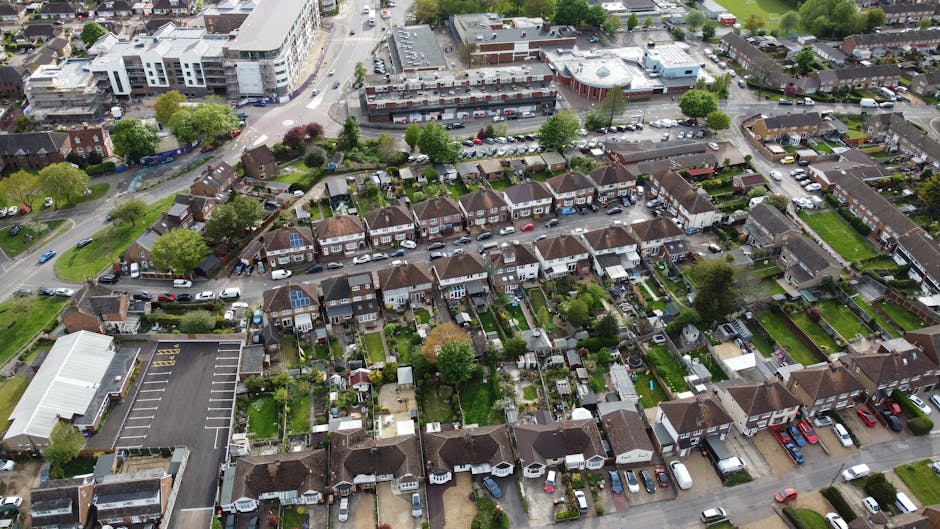
Pinner is a north-west London district with a history that is visible in its streets, buildings and village-like centre. The area grew from an old settlement recorded in medieval sources, and parts of its character still reflect that older pattern of lanes, historic plots and a central High Street. St John the Baptist Church is one of the best-known landmarks, standing close to the heart of the district and helping to shape the local skyline with its tower and churchyard. The surrounding centre combines older architecture with later commercial frontages, creating a layered streetscape rather than a uniform one. Pinner’s conservation areas and varied housing stock are part of that sense of continuity, with period homes, interwar streets and later developments all contributing to the local fabric. The district is also associated with Pinner Memorial Park, a green space that provides open ground and formal planting not far from the centre. Nearby waterways and tree-lined routes connect the area to the wider suburban landscape of Harrow and adjoining parts of north-west London. Local cultural life includes community events, independent shops and long-established civic traditions, all of which reinforce Pinner’s identity as a settled residential district with a recognisable centre of its own.
Clearance for moves, refurbishments and handovers
Office clearance is often needed at a moment of transition. A business may be moving to a different site, refurbishing its current premises or handing the space back at the end of a tenancy. In each case, the clearance has to be coordinated with what happens next, so the work removes what is no longer needed while respecting the schedule for the building.
That may involve clearing an entire floor, removing selected rooms or dealing with leftover contents after staff have already relocated. In a refurbishment scenario, the aim is usually to empty the working areas so that contractors can begin. At the end of a lease, the priority may be to leave the property clear of loose items and ready for inspection. Different end points call for different levels of clearance, and that is why the job is best discussed with a clear outline of the premises and the intended outcome.
Sorting, recycling and responsible disposal
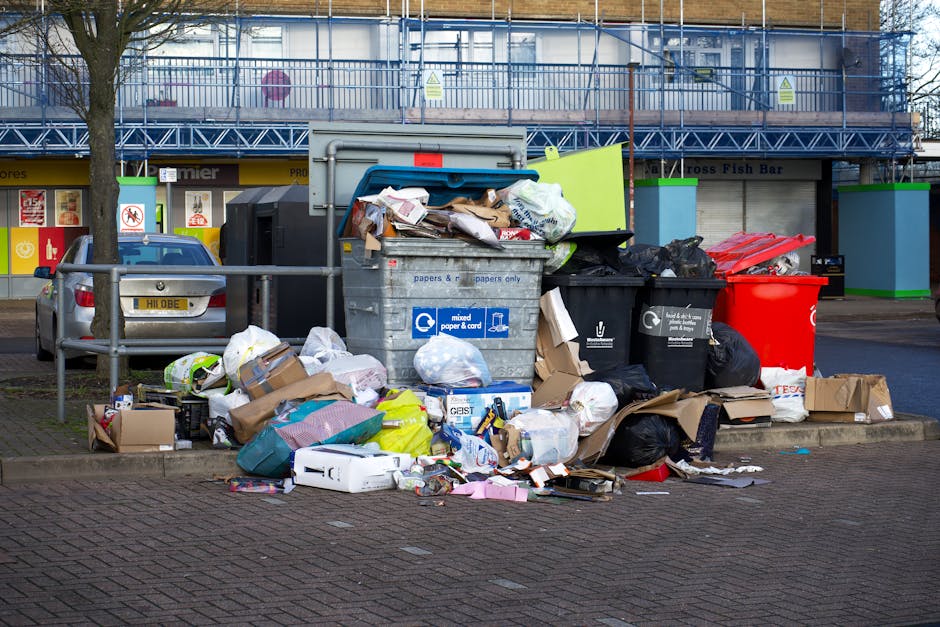
Office clearance usually produces a mixture of material types, and the process works best when those are handled in an orderly way. Furniture, paper, cardboard, metal items and small electrical equipment may all need separate attention before removal. Sorting these groups sensibly helps the job move forward while keeping the contents manageable and easier to process.
Responsible disposal is not only about removing items from the building. It is also about making sure the clearance is organised so that reusable or recyclable materials can be separated where appropriate and general waste does not become mixed with items that could be handled differently. A clean clearance plan makes it easier to move from the working area to the final load without confusion or duplication of effort.
When you request a quotation, it helps to mention whether the office contains a standard mix of contents or a larger amount of archived material, dismantled furniture or stock. That detail changes how the work is planned and can affect the number of visits or the handling required. For a prompt start, send the room count and a basic item list first, then refine the details if needed.
Getting a quotation for your office clearance
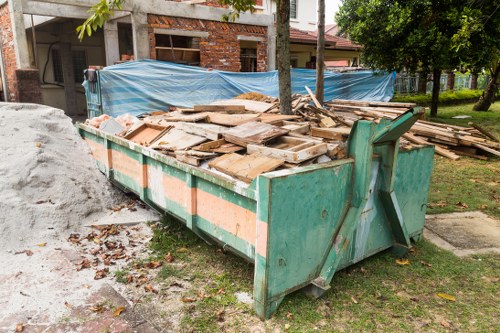
If you need office clearance in Pinner, the easiest way to begin is with a short summary of the premises and the items that need to go. We can then look at the scope of the work and prepare a quotation that reflects the layout, access and contents involved. This is especially useful where the clearance includes both furniture and mixed items from storage or back-office areas.
For a better estimate, it is helpful to mention the size of the office, whether the clearance is partial or full, and whether there are any time constraints around moving day, contractors or lease return. If photographs are available, they can make the quotation more accurate, but they are not the only way to describe the job. Tell us what needs removing and what the access is like, and we can take it from there.
When you are ready, request a quotation and let us know the main items, the location of the work and your preferred timing. We will use that information to shape a practical clearance plan and give you a clear next step.