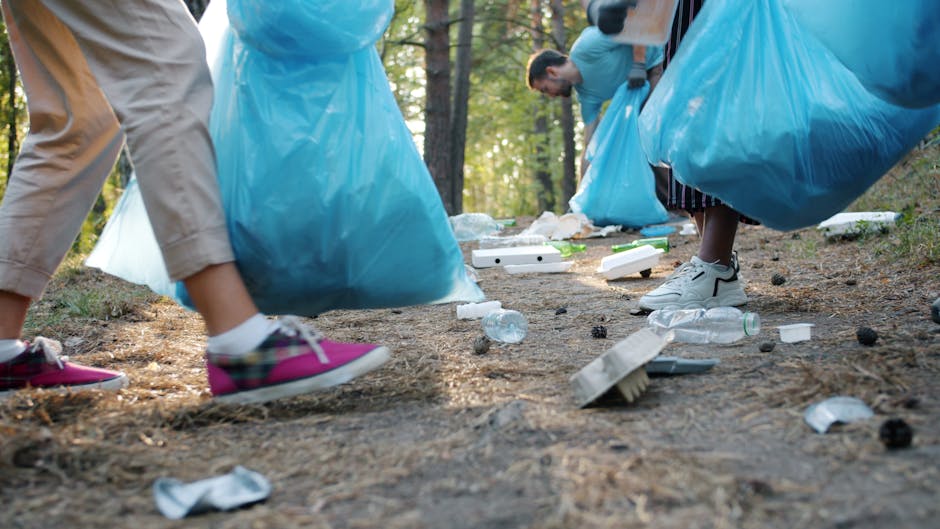
Clearing Pinner Memorial Park event waste responsibly
After a busy community event, a park can look very different from how it did that morning. Cups, food trays, broken packaging, cable ties, cardboard, leftover decorations, and the occasional awkward bit of overspill all need to be dealt with quickly, safely, and in a way that respects the space. If you are planning Clearing Pinner Memorial Park event waste responsibly, the real challenge is not just removing rubbish. It is separating what can be reused, recycled, or disposed of properly without causing damage, disruption, or unnecessary cost.
That matters whether you are organising a seasonal fair, a charity fundraiser, a sports day, a community gathering, or a corporate-sponsored activation. Good waste handling protects the park, supports the local area, and avoids the all-too-common last-minute scramble. It also helps you present the event professionally right to the end, which is often the bit people remember most. Below, you will find a practical guide to planning, sorting, collecting, and clearing event waste with confidence.
Why Clearing Pinner Memorial Park event waste responsibly Matters
Park events generate a wider mix of waste than many people expect. A single setup can include food packaging, plastic film, drink containers, flyers, disposable tableware, cardboard boxes, damaged props, worn signage, and sometimes bulky items such as tables, barriers, or staging materials. If these are just bagged together and removed without thought, recyclable material can be lost and contamination spreads quickly.
Responsible event clearance is about more than tidiness. It helps protect green spaces, reduces litter drifting into paths and planting areas, and makes it easier for crews or volunteers to restore the site efficiently. It also reduces the chance of odours, pests, slips, and trip hazards after the event ends.
There is also a public-facing benefit. Guests notice when an event is well run from start to finish. A clean handover makes the whole occasion feel cared for. And truth be told, nobody wants the final memory of a good day to be a sagging bin bag left beside a hedge.
For organisers working across nearby areas, it can help to think of park clearance in the same way you would handle waste removal for a busy business site or plan business waste removal for a venue: the process is smoother when sorting, loading, and collection are considered before the first visitor arrives.
How Clearing Pinner Memorial Park event waste responsibly Works
The process usually starts before the event begins. That means estimating likely waste streams, deciding where bins should go, and making clear decisions about what can be recycled, composted, reused, or sent for disposal. At larger events, it can also mean agreeing collection windows and keeping a simple site plan so waste points are easy to find during breakdown.
In practice, responsible clearance has four stages:
- Pre-event planning. You predict the types and volumes of waste likely to be produced.
- On-site separation. Waste is sorted into suitable streams, rather than piled into one mixed load.
- Safe collection. Bags, boxes, and bulky items are gathered without blocking access routes or damaging the park.
- Final disposal or recycling. The material is taken to the right destination, with reuse and recycling prioritised where practical.
This is where clear roles matter. If volunteers are helping, they need simple instructions. If a commercial waste team is involved, they need to know which items are mixed general waste, which are recyclable, and whether any special handling is required. One of the easiest mistakes is assuming everyone knows what goes where. They rarely do unless you make it obvious.
For events that create more than a few bags, it can be useful to align the cleanup with a structured clearance service such as home clearance style sorting principles or, for larger volumes and mixed material, a broader house clearance approach. The names may differ, but the logic is similar: separate, load safely, and avoid mixing recoverable material with general rubbish.
Key Benefits and Practical Advantages
There are some obvious benefits to doing this properly, but the less obvious ones are often the most valuable.
- Cleaner site handover: The park is restored faster and with less stress.
- Better recycling outcomes: Cardboard, cans, and some plastics are easier to recover when not contaminated.
- Lower chance of complaints: Less noise, mess, and disruption for nearby users and residents.
- Improved safety: Clear paths reduce trip hazards for staff and the public.
- More professional event delivery: A tidy finish strengthens the organiser's reputation.
- Less avoidable waste: Reusable items are easier to identify before they are thrown away.
There is also a planning advantage. Once you know how much waste a certain event type generates, future events become easier to budget and staff. That is useful whether you are managing a small local gathering or a multi-stall outdoor event with food vendors, signage, and temporary structures.
Expert summary: The best event waste strategy is rarely the most complicated one. It is usually the one that combines simple segregation, enough containers in the right places, and a reliable collection plan at the end of the day.
If you are reviewing options for recurring event support, it may also be worth looking at recycling and sustainability guidance so the clearance plan matches your environmental goals, not just your timetable.
Who This Is For and When It Makes Sense
This approach is relevant to a wide range of people. You may need it if you are:
- a community organiser running a park event
- a school, charity, or faith group hosting an outdoor fundraiser
- a market or stall operator using temporary pitches
- an event planner coordinating suppliers and post-event collection
- a local business sponsoring or supporting a public event
- a facilities or grounds contact responsible for site condition afterwards
It also makes sense whenever the event involves more than light footfall and a single bin or two. If there are food stalls, branded materials, temporary furniture, banners, or event build elements, waste management deserves its own plan. The bigger the event, the more likely it is that waste will be spread across several zones instead of being neatly piled in one place.
For events that include temporary furniture, display units, or old stock, you may need support similar to furniture clearance or furniture disposal. Those pages are useful references because the same questions apply: what can be reused, what needs careful handling, and what should be collected separately?
In Pinner, where parks are used by a mix of families, walkers, and local groups, being considerate about timing and site condition matters just as much as the clearance itself. Early planning avoids the awkward "we'll sort it later" moment, which rarely goes as well as people hope.
Step-by-Step Guidance
Here is a practical sequence that works well for most park event cleanups.
1. Estimate the waste before the event
Look at the event format and think through likely sources of waste. Food and drink stalls produce different material from a craft fair or a sponsored sports day. If you expect packaging-heavy suppliers, plan for more cardboard and more mixed waste.
2. Set up clearly labelled waste points
Use obvious labels and simple categories. Keep it easy to understand at a glance. People are more likely to sort correctly when the bins are close by and the signage is unmissable.
3. Separate reusable and recyclable items early
Before anyone starts bagging everything together, identify items worth saving. This might include wooden crates, signage frames, cable reels, display boards, or unused supplies. The earlier you catch them, the better.
4. Keep food waste away from recyclable streams
Contaminated cardboard is not very helpful to anyone. Food residue, liquid spills, and greasy packaging can quickly reduce what can be recovered. Use lined bins where necessary and empty them before overflow becomes a problem.
5. Build a safe collection route
Do not let sacks and boxes block paths, gates, or emergency access. Keep loading areas tidy and avoid stacking items where they could topple. This matters even during busy breakdown periods when everyone is tempted to rush.
6. Move bulky items separately
Bulky event waste often needs different handling from bagged rubbish. Tables, barriers, plant pots, broken props, or wooden structures may need a dedicated collection vehicle or extra labour.
7. Sweep and inspect before final sign-off
Do a last walk-through of the area. Check under benches, around trees, behind marquees, and near bins. It is surprising how often a final sweep finds forgotten packaging or stray tape.
8. Record what was cleared
Keeping a simple note of waste types, collection times, and issues makes future events easier to manage. It also helps if you need to review service levels or improve supplier instructions next time.
If you need support beyond the event itself, similar operational thinking is used in office clearance and builders waste clearance work: stage the job, separate material streams, and keep the movement of waste controlled.
Expert Tips for Better Results
A few small choices can make the whole process much smoother.
- Use more bins than you think you need. Overflow is one of the fastest ways to create litter spread.
- Place bins where people naturally pause. Near entrances, food points, and seating usually works better than hiding them at the edge of the site.
- Keep one person in charge of waste. Even at a modest event, having a named lead prevents confusion.
- Brief vendors in writing. A short cleanup note is often better than a long verbal explanation that gets forgotten.
- Choose sacks and containers that match the load. Thin bags split; oversized bins can be awkward if staff have to drag them too far.
- Think about weather. Rain can turn cardboard, leaf litter, and mixed packaging into a much messier job.
One useful habit is to create a "save first" area for anything reusable. It sounds basic, but in the rush after an event, reusable stock often gets mixed in with rubbish simply because it is near the exit. A small staging zone solves that problem neatly.
If the event uses outdoor furniture, plan for storage or removal in the same way you would for a larger domestic clearance, such as a loft clearance or garage clearance. Different environment, same principle: don't let mixed items become a hidden sorting headache later.
Common Mistakes to Avoid
Most cleanup problems are not dramatic. They are small planning gaps that snowball.
- Leaving sorting until the end: Mixed waste is harder to recover and slower to process.
- Underestimating volume: A small event can still generate a surprising amount of packaging and food waste.
- Ignoring heavy or bulky items: These are often the last thing people remember, which is exactly why they become a problem.
- Using vague bin labels: "Rubbish" and "other" are not especially helpful.
- Blocking access routes: It slows removal and increases safety risks.
- Forgetting final sweeps: Small items left behind can become litter or trip hazards.
- Failing to brief suppliers: If caterers and stallholders do not know the rules, they will default to convenience.
A common example is a food stall placing wet cardboard into a recycling pile because the main bin is full. That one action can spoil a larger batch. Another is leaving string, tape, and cable ties mixed into cardboard, which makes recovery more difficult. These are small details, but they matter.
Tools, Resources and Recommendations
You do not need a complicated toolkit to manage event waste well, but a few basics help a lot.
- Colour-coded or clearly labelled bins for simple separation
- Heavy-duty sacks for mixed waste and spill-prone materials
- Hand gloves and grab tools for safe collection
- Trolleys or sack trucks for bulky or awkward loads
- Simple site maps showing waste points and access routes
- Printed instructions for staff, volunteers, and stallholders
On the service side, it helps to work with a provider that is comfortable handling mixed waste, recyclables, and bulky items in one coordinated plan. If you are comparing services, pages such as pricing and quotes, contact us, and about us can give you a better sense of how the operation is structured and whether it suits the scale of your event.
For organisations that care about environmental performance, recycling and sustainability is a useful reference point. It helps set expectations around recovery, sorting, and the broader handling of event material.
Law, Compliance, Standards, or Best Practice
Event organisers do not need to turn every cleanup into a legal project, but they should treat waste handling as a proper operational responsibility. In the UK, waste must be managed appropriately and transferred to suitable carriers or disposal routes. The practical takeaway is simple: do not assume all waste can be treated the same way.
Good practice includes:
- keeping waste separated where practical
- avoiding contamination of recyclable material
- using safe lifting and handling methods
- preventing access issues for the public or emergency services
- making sure rubbish is not left behind after the event ends
It is also sensible to work with providers that take health, safety, insurance, and privacy seriously. That may sound like background admin, but it matters when crews are working in public spaces. For that reason, supporting pages such as health and safety policy and insurance and safety are worth reviewing before you book any removal support.
If your event involves contractors, stalls, or repeated collections, clear terms and operational expectations matter too. It is always better to agree the basics in advance than to negotiate them beside a half-full bin stack at 9pm. No one enjoys that conversation.
Options, Methods, or Comparison Table
There are usually three practical ways to handle park event waste. Each has a place, depending on the size and style of the event.
| Method | Best for | Strengths | Limitations |
|---|---|---|---|
| Volunteer-led cleanup | Small gatherings, low-volume events | Low cost, flexible, simple to organise | Can be slow, inconsistent, and harder to sort properly |
| Mixed waste pickup | Mid-sized events with varied rubbish | Fast, convenient, suitable for end-of-day clearance | Less material recovery if sorting is limited |
| Separated waste and recycling collection | Larger events or sustainability-focused organisers | Better recovery, cleaner disposal streams, stronger environmental results | Needs planning, labelled stations, and more active management |
In many real situations, the best approach is a hybrid one. A small volunteer team handles immediate litter and visible waste during the event, while a professional clearance team removes the larger loads at the end. That balances practicality with consistency. If the event setup includes leftover seating, display items, or storage units, related services such as furniture disposal may also be relevant.
Case Study or Real-World Example
Consider a summer community event in a local park with food stalls, a small stage, folding chairs, and a craft area. By mid-afternoon, bins near the food area are full of drinks cups and packaging, while the craft area has cardboard, paper offcuts, and a few reusable boards still in good condition. A separate pile of temporary signage, broken zip ties, and damaged display stands has also built up near the exit.
In a poorly planned cleanup, all of that would be swept into one collection. The cardboard would be contaminated, the reusable boards would be lost, and the final walk-through would likely miss stray materials near the seating area. Instead, a more responsible approach would separate the streams during breakdown, move the reusable items to one side, and keep bulky waste apart from general rubbish.
The result is not just a cleaner site. It is a faster exit, fewer bags of contaminated waste, and a better chance of reusing event materials next time. That is the kind of detail that saves time later without making the day more complicated than it needs to be.
For events that generate larger mixed loads, the same mindset used in waste removal work can be applied effectively: gather the material, keep the streams distinct where possible, and remove the lot in a controlled sequence.
Practical Checklist
Use this checklist before, during, and after the event to keep things on track.
- Confirm the likely waste types before the event
- Decide which items can be reused or donated
- Place clearly labelled bins in visible locations
- Brief vendors and volunteers on sorting rules
- Keep food waste separate from recyclable packaging
- Set aside bulky items for dedicated collection
- Maintain clear walking and loading routes
- Carry out a final sweep of seating, grass, and perimeter areas
- Record any issues for next time
- Arrange follow-up disposal or recycling promptly
Practical takeaway: If you can make the right action the easiest action, most people will do it. That is the quiet trick behind good event waste management.
Conclusion
Clearing Pinner Memorial Park event waste responsibly is about more than removing what is left behind. It is a planning job, a safety job, and a respect-for-the-space job all at once. The best results come from simple, visible systems: the right bins, clear instructions, safe collection routes, and a proper final sweep.
Whether your event is small or substantial, the same principles apply. Separate what can be recovered, keep the site safe, avoid contamination, and make the end of the event feel as organised as the beginning. That is what turns a messy breakdown into a smooth finish.
If you are comparing options for a one-off event or a recurring schedule, start with a clear plan and a quote that reflects the real workload, not just the visible bags. The calmer you make the cleanup, the easier the event becomes for everyone involved.
Get a free quote today and see how much you can save.
Frequently Asked Questions
What is the best way to handle waste after a park event?
The best approach is to separate reusable items, recyclables, and general waste as early as possible. That reduces contamination and makes the final clearance quicker and more efficient.
Can volunteers manage event waste on their own?
They can for small events, especially if the layout is simple. For larger gatherings, it helps to combine volunteer litter picking with a professional collection plan for bags and bulky items.
How do I stop bins from overflowing during an event?
Use more bins than you think you need, place them in obvious locations, and arrange mid-event checks. Overflow usually happens when collection timing and capacity are both underestimated.
What items are most commonly missed during cleanup?
Small packaging, cable ties, tape, bottle caps, and items tucked under seating or around trees are often missed. A final sweep of the whole area usually catches them.
Should food waste be separated from other rubbish?
Yes, where practical. Food residue can contaminate recyclable materials, especially cardboard and paper, so separating it helps recovery and keeps the site cleaner.
How far in advance should I plan event waste collection?
As early as possible. Even a small event benefits from advance planning, and larger events should treat waste collection as part of the main operations schedule, not an afterthought.
Is it worth separating recyclable material at a small event?
Usually, yes. Even modest amounts of cardboard, cans, and clean plastic can be recovered more easily when they are separated correctly from the start.
What should I do with bulky items like tables or display boards?
Keep them separate from bagged waste and arrange suitable collection for them. Bulky material often needs different handling from general rubbish.
How can I make waste management easier for stallholders?
Give them simple written instructions, label the bins clearly, and explain what goes where before the event begins. The less ambiguous the system, the better the results.
Do I need professional help for event waste clearance?
Not always, but it becomes more useful as waste volumes rise or when the event includes mixed materials, bulky items, or a tight turnaround.
What is the biggest mistake organisers make?
The biggest mistake is waiting until the end to think about waste. By then, sorting becomes slower, contamination increases, and the cleanup gets harder than it needed to be.
How do I choose a waste clearance provider?
Look for clear communication, sensible pricing, appropriate insurance, and a practical approach to recycling and safety. It also helps to check supporting information such as service details and operational policies before booking.