Harrow Council waste rules every Pinner resident must know
If you live in Pinner, waste disposal can feel simple right up until bin day goes wrong. A missed collection, the wrong bag, a bulky item left outside too early, and suddenly the street looks messy and you are left wondering what Harrow Council actually expects. This guide on Harrow Council waste rules every Pinner resident must know brings the practical bits together in plain English, so you can stay compliant, avoid unnecessary hassle, and deal with household, garden, bulky, and clearance waste with a bit more confidence.
Truth be told, most problems are not caused by people being careless. They happen because local rules are easy to overlook when you are juggling work, family, or a kitchen refit that has somehow turned into a full weekend project. Let's fix that now. Below, you will find the key rules, the common mistakes, the best options for different types of waste, and a few sensible next steps if the pile in the hallway is starting to look a bit too permanent.
Why Harrow Council waste rules every Pinner resident must know matters
Waste rules are one of those everyday things that only become noticeable when something goes wrong. A bin that is too heavy, a bag that tears open on the pavement, or an item that should have been booked in separately can lead to a missed collection or a request to correct the problem. In a place like Pinner, where streets can be busy and space is tight, correct set-out and sorting matter more than people sometimes realise.
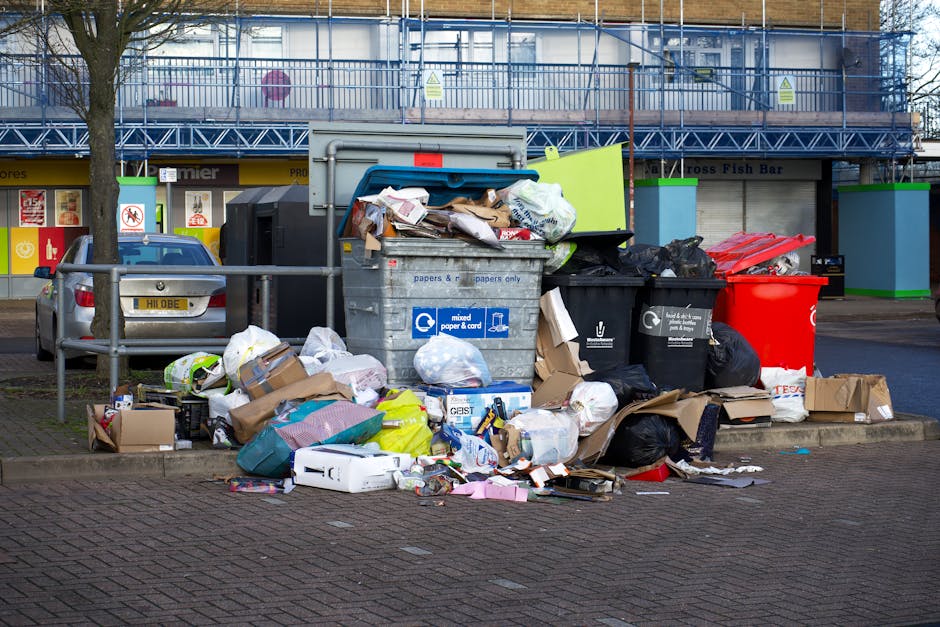
There is also the neighbourly side of it. Overflowing bins, broken cardboard, and abandoned furniture do not stay invisible for long. They attract complaints, create obstruction on narrow roads, and make a tidy street look messy very quickly. Nobody wants to be the house with a fridge on the kerb in the rain. A bit awkward, that.
For residents, the real value of understanding the rules is simple: you waste less time, avoid repeat work, and reduce the risk of penalties or enforcement issues. For landlords, letting agents, and anyone managing a move or refurbishment, it helps keep a property presentable and avoids last-minute panic. If you are clearing a flat, garage, loft, or full house, it can also guide you toward a more suitable service such as home clearance, house clearance, or loft clearance rather than trying to cram everything into the general bins.
How Harrow Council waste rules every Pinner resident must know works
At a practical level, waste rules usually revolve around five things: what the item is, how it should be separated, when it can be presented, where it can be placed, and whether it needs booking or special handling. That is the framework. The details vary by waste type, but the logic stays fairly consistent.
Most domestic waste falls into familiar groups:
- General household waste for non-recyclable everyday rubbish.
- Recycling for clean, sorted materials such as paper, card, cans, plastics, glass, or food waste where collected.
- Garden waste for green cuttings, leaves, and other organic material where accepted.
- Bulky waste for larger items like sofas, wardrobes, mattresses, or white goods that do not belong in standard bins.
- DIY or builders' waste for rubble, plasterboard, wood offcuts, tiles, and similar materials from works to a property.
The important thing is that different waste streams are not interchangeable. A bag of mixed rubbish is not the same as clean recycling. A broken chair is not the same as a builder's skip load. And a fridge full of food waste is definitely not something to leave by the wheelie bin and hope for the best.
In many Pinner homes, the real challenge is not the rule itself but the volume. One spring clear-out can reveal half a garage of old paint tins, worn furniture, cardboard, and garden offcuts. That is where local collection schedules and specialist removal come into play. If the job is bigger than a normal bin day, it is often smarter to look at waste removal or a dedicated service such as furniture disposal.
There is also the timing side. Items left out too early can block pavements or invite fly-tipping by others. Items left out too late can miss the collection window. Neither is ideal. The safest approach is to check the schedule, prepare waste the evening before when appropriate, and keep items neatly arranged so they can be collected without causing a nuisance.
Key benefits and practical advantages
Following the rules is not just about avoiding problems. It makes day-to-day life easier in a few very real ways.
- Fewer missed collections: When waste is sorted and presented properly, there is less chance of refusal.
- Cleaner kerbside areas: Neater presentation means less mess, less spillage, and fewer complaints.
- Better recycling outcomes: Clean, sorted materials are more likely to be recovered rather than sent for disposal.
- Less stress during clear-outs: You know what can go where, which is a relief when the place already feels upside down.
- Safer moving and renovation projects: Proper disposal reduces trip hazards and keeps access routes clear.
- Better value from paid services: If you do need professional help, the job is easier to quote and complete cleanly.
There is a hidden benefit too: good waste habits tend to snowball. Once you know how to separate cardboard, what to do with broken furniture, and when garden waste needs attention, every future clear-out gets much simpler. It sounds small. It is actually huge.
If you are planning a larger clear-out, services such as furniture clearance, garage clearance, or garden clearance can save a lot of time and help you avoid mixing waste types in ways that create problems later.
Who this is for and when it makes sense
This guide is useful for almost anyone in Pinner, but a few groups feel the pain more often than others.
- Homeowners clearing out clutter, old appliances, or renovation debris.
- Tenants who need to leave a property tidy and avoid end-of-tenancy disputes.
- Landlords and agents managing void periods, refurbishments, or property resets.
- Families dealing with household buildup after years of "we might need that one day".
- Older residents or busy professionals who want a straightforward, handled-for-you option.
- Small businesses with office furniture, filing, packaging, or mixed commercial waste. In that case, business waste removal or office clearance may be more appropriate than a domestic approach.
It also makes sense when the waste is awkward. A few broken chairs are one thing. A shed full of mixed items, paint, old cables, and damp cardboard is another. If you have ever stood in front of a pile and thought, "Where do I even start?", that is usually the moment to step back and choose the simplest route, not the cheapest-looking one.
Step-by-step guidance
If you want a calm, sensible approach, use this simple process.
- Identify the waste type. Separate everyday rubbish, recycling, garden waste, bulky items, and anything from building works.
- Check what can be mixed and what cannot. Keep clean recyclables separate from contaminated materials.
- Reduce before you move anything. Donate, reuse, or repurpose where possible. A chair with good bones may not need disposal at all.
- Bundle items neatly. Flatten boxes, tie lightweight waste safely, and keep sharp edges protected.
- Put only permitted items out for collection. Do not add extra bags at the last minute if they do not belong in that stream.
- Observe set-out timing. Place bins or bags out at the correct time, not days early.
- Choose a specialist service if the job is too large. For larger domestic clearances, a service like flat clearance or house clearance may be the cleanest solution.
- Keep a record for bigger jobs. If you are disposing of commercial or mixed waste, keep paperwork and details of what was removed.
A useful rule of thumb: if the waste would take multiple trips, involve sharp items, or include mixed materials that are hard to sort, it is probably worth getting a proper quote rather than improvising. You will save yourself a day of lifting, and possibly a sore back. Speaking from experience, that is no small thing.
Expert tips for better results
Small adjustments make a big difference with waste management. These are the habits that keep things smooth.
- Keep recyclables clean and dry. Cardboard soaked in rain or food-contaminated packaging often becomes much less useful.
- Use the right container size. Overfilled bags split easily and create litter.
- Do not hide problem items in normal waste. Batteries, chemicals, and electricals need the right handling.
- Plan around busy weeks. Bank holidays, moving days, and school runs can make kerbside access awkward. A little advance planning helps.
- Take photos before a clearance. Useful for landlords, tenants, and anyone who may need to show what was there before removal.
- Group by room or category. It speeds up sorting and makes disposal far less chaotic.
One small but very practical tip: keep a "maybe" box during a declutter. If you are unsure about something, place it there and decide later. That one habit prevents a lot of rushed mistakes. And yes, everyone has that one drawer full of unknown keys, old chargers, and at least one mysterious cable. No judgement.
If you want a service that aligns with a careful disposal mindset, recycling and sustainability is a good page to review before booking, especially if you care about reducing landfill where possible.
Common mistakes to avoid
Most waste issues come from a handful of repeat mistakes. The good news is that they are easy to avoid once you know them.
- Mixing waste types. Recycling mixed with general rubbish usually reduces what can be recovered.
- Leaving waste outside too soon. That can cause obstruction, weather damage, and a mess if bags are torn.
- Overloading bags or bins. Heavy waste makes handling difficult and can cause collection refusals.
- Putting out prohibited items. Paint, chemicals, batteries, and some electricals often need separate treatment.
- Ignoring bulky-item rules. Sofas, mattresses, and large furniture usually require a different approach.
- Assuming builders' rubble is standard rubbish. It is not. It needs its own handling, and often a specialist service such as builders waste clearance.
- Forgetting access issues. Narrow stairs, limited parking, and shared entrances matter more than people expect.
The last one catches people out all the time. A collection plan looks simple on paper, then reality arrives: the hallway is tight, the lift is tiny, and the parked cars are nowhere to be moved. If you live in a flat or maisonette, think through access before you book anything. A little awkward now saves a lot of awkward later.
Tools, resources and recommendations
You do not need fancy equipment to handle waste properly, but a few basic tools make life easier.
- Strong sacks and refuse bags for general rubbish and soft items.
- Box cutters and tape for flattening and bundling cardboard.
- Gloves for handling sharp or dirty materials.
- Labels or marker pens for separating keep, donate, recycle, and dispose piles.
- Dust sheets or old blankets if you are moving items through indoor spaces.
- Phone photos to document the load before clearance or for quote accuracy.
For larger removals, the most useful resource is often a clear, responsive service page and a transparent quote process. If you are comparing options, the pages on pricing and quotes and contact us can help you take the next step without endless back and forth.
For service standards and peace of mind, it is also sensible to review health and safety policy, insurance and safety, and terms and conditions. That is not overkill. It is basic due diligence, especially for larger or more awkward clearances.
Law, compliance, standards, or best practice
Waste handling in the UK is not something to treat casually. Even where the practical side is straightforward, there are compliance expectations around safe storage, proper transfer, and lawful disposal. The details depend on the waste type and whether you are dealing with domestic or commercial material, but the principle is consistent: waste should go to the right place, through the right channel, and without creating a nuisance or risk.
For residents, the safest approach is to stay within the council collection rules for household waste and use licensed or reputable services for anything beyond that. That matters more than people think. If mixed waste is handed over badly, or waste is left in a way that causes issues on the street, the responsibility can come back to the person who put it there. In plain terms: if you generate the waste, you still need to handle it properly.
Best practice is simple and defensible:
- Sort waste by type before collection.
- Keep hazardous or specialist items separate.
- Use suitable containment so waste does not escape.
- Store waste safely until collection.
- Keep proof of disposal for larger or commercial jobs where appropriate.
If you are ever unsure, do not guess. A quick check with a reputable waste service is better than making a costly assumption. Waste compliance is one of those areas where "I thought it would be fine" does not carry much weight, unfortunately.
Options, methods, or comparison table
Different waste situations call for different methods. Here is a practical comparison.
| Option | Best for | Pros | Watch-outs |
|---|---|---|---|
| Kerbside household collection | Routine bins and basic recycling | Simple, familiar, usually the cheapest approach | Strict sorting and timing rules; limited capacity |
| Special collection or bulky-item pickup | Large household items | Convenient for sofas, beds, and appliances | May need booking and proper preparation |
| DIY local tip run | Small loads you can transport safely | Flexible if you have a vehicle and time | Heavy lifting, vehicle space, and sorting required |
| Professional clearance | Whole-room, whole-property, or mixed loads | Fast, tidy, less physical effort, useful for access challenges | Costs more than doing it yourself, though often worth it |
| Specialist removal | Furniture, garden, loft, garage, business, or builders' waste | Better handling for specific waste types | Choosing the wrong service can cause delays |
For many Pinner residents, the best route is a mix. Routine rubbish goes out normally, while the awkward stuff gets handled separately. If you are clearing a property from top to bottom, a combination of house clearance and furniture clearance often makes more sense than trying to tackle everything in one go.
Case study or real-world example
Here is a realistic example. A family in Pinner is preparing to move after years in the same house. The loft contains old decorations, broken suitcases, children's books, and a few boxes of unknown cables. The garage has garden equipment, a sagging shelf, and two bulky cabinets that are too heavy for normal bin disposal. In the kitchen, there are worn chairs, packaging from recent purchases, and a small pile of mixed household waste.
At first glance, it feels like a nightmare. But once the items are split into categories, the job becomes much clearer. Recyclables are separated, garden items grouped, furniture set aside for disposal, and the mixed household waste bagged properly. A specialist load is arranged for the bulky items, while the smaller waste goes through normal routes. The result is calmer, cleaner, and far less stressful.
That kind of situation comes up constantly. Not dramatic, just real life. The front room slowly fills with "things to sort later," and later turns into next month. The trick is not heroics. It is structure. And a refusal to let one old armchair dictate your entire weekend.
Practical checklist
Use this before any clear-out or collection day.
- Have I identified the waste type correctly?
- Have I separated recycling from general rubbish?
- Do any items need special handling or a separate service?
- Are bags, boxes, or bundles secure and not overfilled?
- Is the waste placed out at the correct time?
- Will the collection point remain safe and unobstructed?
- Have I checked access, parking, and lifting requirements?
- Do I need photos or records for the job?
- Is a specialist clearance more sensible than trying to move everything myself?
- Have I reviewed service details like pricing, safety, and sustainability?
If you can answer yes to most of those, you are in good shape. If not, pause and sort the issues now rather than during collection morning. That is the kind of small decision that saves a lot of irritation.
Quick summary: the easiest way to stay on the right side of local waste expectations is to sort early, present waste neatly, treat bulky and specialist items separately, and choose the right removal method for the job in front of you.
Conclusion
Getting to grips with Harrow Council waste rules every Pinner resident must know does not have to be complicated. Once you understand the basics, the whole thing becomes much more manageable: keep waste sorted, respect collection times, handle bulky items separately, and use the right service when the job is bigger than a normal bin day.
That simple approach reduces stress, keeps your property tidier, and helps the wider neighbourhood stay pleasant too. And honestly, that is what most of us want at the end of the day: fewer messes, fewer surprises, and a smoother way to deal with the stuff life accumulates in corners, sheds, lofts, and garages.
If you are dealing with a clear-out now, take it one step at a time. The mountain is usually smaller once it is split into sensible piles.
Get a free quote today and see how much you can save.
Sometimes the best feeling is not the empty room itself. It is the calm that arrives when the clutter has finally gone.
Frequently Asked Questions
What are the most important Harrow Council waste rules for Pinner residents?
The main rules are to sort waste correctly, use the right bin or collection stream, follow set-out times, and keep bulky or specialist items separate from normal household rubbish.
Can I put mixed rubbish in one bag if I am in a hurry?
It is better not to. Mixed bags can cause collection issues, reduce recycling, and create problems if the waste is meant for different disposal routes.
What should I do with old furniture in Pinner?
Large furniture is usually better handled as bulky waste or through a dedicated furniture service rather than leaving it with normal household rubbish.
Do garden clippings go in the same bin as general waste?
Not usually. Garden waste should be kept separate where possible, especially if a specific collection or specialist removal is available.
How do I know if I need a clearance service instead of council collection?
If the load is large, mixed, heavy, awkward, or includes items that do not fit standard bins, a clearance service is often the easier and cleaner choice.
What happens if waste is left out too early?
It can cause obstruction, attract mess or misuse by others, and create avoidable complaints. Timing matters more than people think.
Is it better to use a home clearance or a house clearance service?
Both can be useful depending on the size and type of load. A home clearance may suit a broader domestic job, while a house clearance is often used for more complete property clear-outs.
Can I use a service for just a few bulky items?
Yes, and that is often the most practical option. A few items can still be awkward to move safely, especially if stairs, parking, or access are limited.
What should I do with builders' rubble or DIY waste?
Keep it separate from household rubbish. Builders' waste is heavier, messier, and usually needs a specialist removal approach.
Why do people get waste disposal wrong so often?
Because the rules sit in the background until something big needs moving. Then people rush, mix waste types, or underestimate access and timing. It happens all the time.
Is recycling worth the effort for small household clear-outs?
Yes. Clean, separated recycling can reduce the amount of waste needing disposal and keeps the rest of the job simpler and more responsible.
What is the safest first step if I am overwhelmed by clutter?
Start by splitting everything into broad categories: keep, donate, recycle, and dispose. Once the piles are clear, the next step becomes much easier.